Traveling to another country for medical treatment is always a unique challenge. It requires careful preparation, attention to detail, and the ability to quickly adapt to a new environment. During these moments, it is especially important to minimize any additional sources of stress – whether it’s the language barrier, unfamiliar routes, or difficulties navigating the public transportation system.
Public transportation, despite its availability and affordability, can be both a reliable helper and a source of unnecessary anxiety. To avoid common mistakes and effectively plan your travel around the city, especially on the days before and after medical procedures, it’s important to understand how the transportation system works in the host country.
We sought expert advice from the specialists at UAmedTOURS, a company that has been assisting foreign patients throughout all stages of their medical journey – from the initial consultation to their return home – for over eight years. Based on their practical experience in countries across Europe, Asia, and the Middle East, we have prepared useful recommendations for using public transportation during medical tourism.
Public transportation abroad: pros and cons of using it
For many medical tourists, public transportation becomes the obvious choice: it is cheaper than a taxi, fairly reliable, and covers most areas of large cities. However, before getting on a bus, metro, or tram, it is worth weighing all the “pros” and “cons” – especially if you are in a new country in a vulnerable physical or emotional state.
| Advantages | Disadvantages |
|---|---|
| Affordability. Public transportation is the most budget-friendly way to get around, especially for longer stays. Many cities offer multi-day or weekly passes, which is convenient for patients undergoing treatment in stages. | Physical exertion. Climbing stairs, long transfers between stations, or having to stand in the vehicle – these can be difficult for patients after surgery or those with limited mobility. |
| Extensive network. In major medical centers like Istanbul, Budapest, Vienna, or Barcelona, public transportation is well-developed and connects airports, train stations, hotels, and hospitals. | Language barrier. Not all countries have routes and stations labeled in English, which can make navigation difficult. |
| Predictability and regularity. The metro and city trains run on a schedule, which is important for keeping track of doctor appointments or procedures. | Lack of a personalized approach. Unlike transfers or taxis, public transportation does not cater to your condition or special needs – the journey may take longer, and the comfort may be lower. |
| Safety. In most European and Asian countries, public transportation is a safe mode of transport during the day. During rush hours, when crowds gather, it’s advisable to be cautious with personal belongings. | Risk of infections. For individuals with weakened immune systems, traveling in crowded buses and metros may not be recommended, especially during cold season. |
Choosing public transportation should be a well-thought-out decision, based not only on the budget but also on your condition, level of preparation, and the nature of the medical program. In some cases, it might be better to pay a little extra to save your energy and comfort.
How to save on public transportation during medical tourism
Properly planned use of public transportation can significantly reduce expenses during a medical trip – especially if you’re staying in the country for several days or weeks. Below are practical ways to save money, along with examples of countries where these tips are particularly relevant.
Buy multi-day passes
In many cities across Europe and Asia, short-term travel passes allow unlimited use of public transport for several days. This is especially beneficial if you visit the clinic daily. For example, in Budapest, the Budapest Card not only covers transportation but also offers discounts at cafes, museums, and pharmacies – a useful bonus for companions. In Vienna, a 72-hour travel pass is cheaper than buying three single tickets.
Use local transport cards
In some countries, foreign tourists can purchase transport cards designed for local residents. For example, in Istanbul, the Istanbulkart offers a significant discount on fares and works for all types of transportation – from the metro to ferries. It’s inexpensive, easy to top up, and you’ll start saving from the second trip.
Download official transport apps
Free city apps help plan routes, track schedules, and even find cheaper tickets. In Berlin, it’s BVG, in Barcelona it’s TMB, and in Prague, it’s PID Lítačka. Some apps also allow you to pay for tickets online at a reduced price.
Use city shuttles and airport trains
Upon arrival in the country, don’t rush to take a taxi. Many cities offer special express trains and shuttles that will take you to the city center at a much lower cost. In Rome, there’s the Leonardo Express, in Paris, the RER B, and in Bangkok, the Airport Rail Link. These routes are often more convenient and faster than a car.
Check for discounts
In some countries, people with disabilities or elderly patients can receive discounted fares. This applies to countries such as the Czech Republic, Poland, and Slovenia. Sometimes, showing medical documents or a temporary patient card is sufficient.
Buy tickets in advance
In megacities like Singapore, Paris, or Hong Kong, public transport tickets can be purchased online in advance – often with a small discount or as part of a tourist package. This not only saves money but also adds convenience: there’s no need to search for ticket offices or machines upon arrival.
Tip: If you plan to use public transportation regularly, it’s better to learn about the rules and discounts before your trip – often this information is available on the websites of local transport companies.
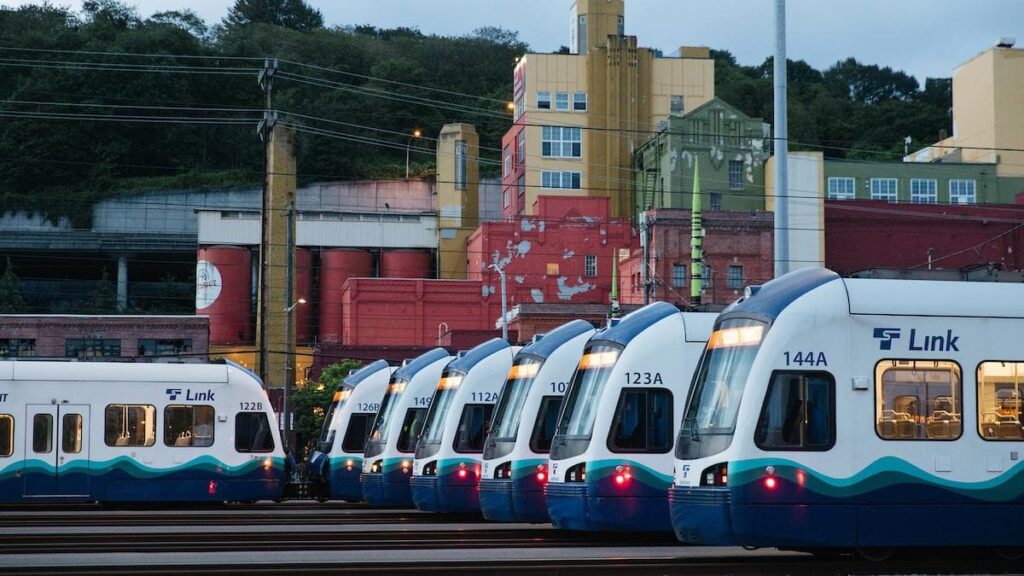
How to prepare for using public transportation abroad
Planning trips to the clinic, hotel, and back is an important part of medical tourism. To avoid stress and unnecessary expenses, prepare in advance:
- Study the transport system.
On official city transport websites, find information about routes, fares, and zones. Often, maps and instructions are available in English. - Install apps.
Download official or universal apps (Google Maps, Moovit, Citymapper). They will show routes, schedules, and prices, and sometimes allow you to purchase tickets at a discount. - Clarify payment methods.
In many countries, cash payments are not accepted. Find out if you need a transport card or if you can use a bank card or smartphone. For example, in London, contactless payment is used, while in Istanbul, the Istanbulkart is required. - Buy a card as soon as you arrive.
Airports often have machines and counters where you can buy a transport card – this is convenient and saves time. - Prepare for the language barrier.
Save the necessary phrases, the interface of apps, or route maps. In major cities, there are often signs in English, but not everywhere. - Plan your route in advance.
Save the clinic and hotel addresses, and check how long the trip will take. Make sure there are elevators at stations – this is important after procedures or surgeries. - Have a backup plan.
Transportation may be delayed or overcrowded. Know alternative routes and transfer or taxi numbers. Some clinics provide transfers – check this in advance.
Tip from UAmedTOURS specialists
If you’re traveling to a country with an unfamiliar transport system or complex transfers for the first time, discuss routes with your medical tour coordinator in advance. This will help avoid stress and delays. If traveling independently, allow time to familiarize yourself with routes, payments, and schedules. And most importantly – remember that your health and comfort are the top priorities. If public transport causes you anxiety or discomfort, it’s better to choose a taxi or transfer.